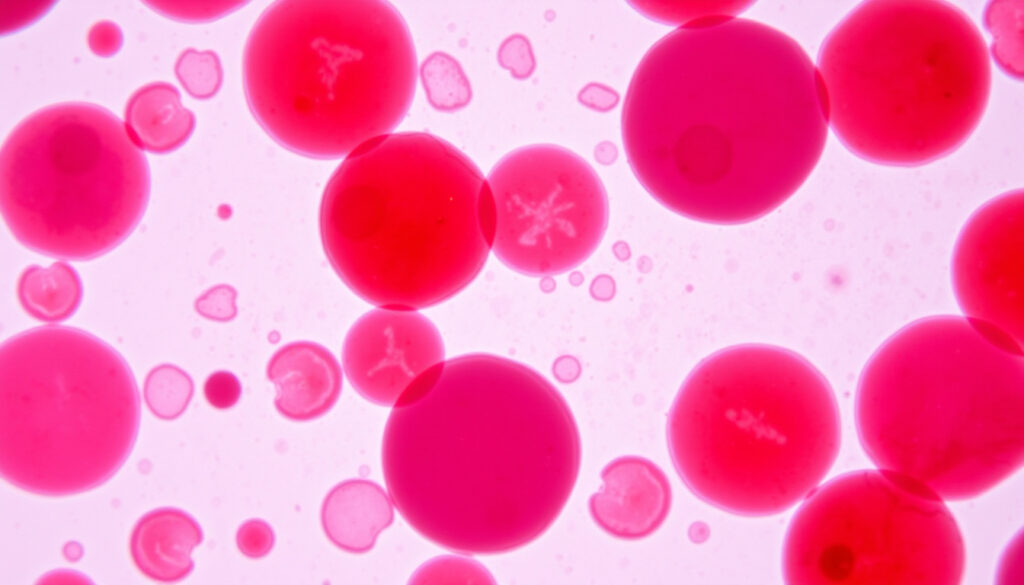
Signs of Low Iron – Recognize Deficiency Early
Signs of Low Iron: Recognize Iron Deficiency Early
Iron deficiency develops gradually, often starting with subtle symptoms that many people dismiss as normal fatigue. When the body lacks sufficient iron, it cannot produce adequate hemoglobin, the protein in red blood cells that carries oxygen throughout the body. This shortfall affects energy levels, physical performance, and organ function over time.
Recognizing the signs early allows for timely intervention through dietary changes and medical treatment. According to the World Health Organization, iron deficiency anemia remains one of the most common nutritional disorders worldwide, affecting both developed and developing nations.
The condition impacts people across all age groups, though certain populations face higher risk. Understanding the warning signs empowers individuals to seek appropriate testing and treatment before complications develop.
What Are the Common Signs of Low Iron?
Symptoms of iron deficiency typically emerge slowly as iron stores deplete over weeks or months. Early indicators often go unnoticed until anemia develops, at which point symptoms become more pronounced and begin affecting daily activities.
Persistent tiredness that rest does not resolve
Noticeable pallor, especially on inner eyelids and gums
Breathlessness during routine activities
Persistent feeling of chilliness in extremities
Key Insights
- Fatigue affects the vast majority of people with iron deficiency anemia, stemming from reduced oxygen delivery to tissues
- Pale skin occurs because hemoglobin gives blood its red color; low levels result in lighter-than-normal skin tone
- Shortness of breath happens when the body compensates for decreased oxygen-carrying capacity by breathing faster
- Cold intolerance develops due to poor circulation and reduced metabolic activity in extremities
- Symptoms often intensify during physical exertion or at higher altitudes where oxygen is less available
- Many symptoms overlap with other conditions, making professional diagnosis essential
Symptom Overview
| Symptom | Why It Happens | Severity |
|---|---|---|
| Fatigue, weakness | Reduced oxygen delivery to muscles and organs | Mild to moderate |
| Shortness of breath | Body compensates for low hemoglobin | Mild to severe |
| Pale skin, yellow/sallow tone | Low hemoglobin affects skin coloration | Mild |
| Hair loss, brittle nails | Tissues receive insufficient oxygen and nutrients | Mild to moderate |
| Heart palpitations, rapid heartbeat | Heart works harder to move oxygen-poor blood | Moderate to severe |
| Cold intolerance | Reduced circulation to extremities | Mild |
| Pica (cravings for ice, clay) | Exact cause unknown; linked to iron deficiency | Mild |
| Smooth tongue, spoon-shaped nails | Tissue changes from prolonged iron depletion | Moderate |
How Do You Know If You Have Low Iron?
Blood tests provide the definitive way to confirm iron deficiency. Healthcare providers typically order several tests together to assess iron status comprehensively, as no single test provides a complete picture.
Understanding Blood Test Results
The complete iron panel helps distinguish iron deficiency from other types of anemia and identifies the severity of depletion. According to the National Institutes of Health Office of Dietary Supplements, multiple markers work together to paint an accurate clinical picture.
Providers typically begin with a medical history review and physical examination, checking for signs like pallor, rapid heartbeat, or brittle nails. Laboratory testing follows to confirm the diagnosis and determine appropriate treatment.
| Test | Iron Deficiency Finding |
|---|---|
| Ferritin | Less than 30 ng/mL indicates depleted iron stores |
| Transferrin saturation | Below 20% suggests insufficient iron availability |
| Total iron-binding capacity (TIBC) | Elevated levels mean the body seeks more iron |
| Serum iron | Below normal range |
| Hemoglobin and hematocrit | Low values indicate anemia is present |
| Mean corpuscular volume (MCV) | Low values show red blood cells are smaller than normal |
When to See a Doctor
Persistent fatigue lasting more than two weeks warrants medical evaluation, particularly when accompanied by other symptoms. According to Cleveland Clinic, early testing prevents progression to more severe anemia and complications.
Seek medical attention if experiencing chest pain, severe shortness of breath, dizziness causing falls, or rapid heartbeat at rest. These may indicate significant anemia requiring urgent evaluation.
Who Is at Risk for Low Iron Deficiency?
Certain populations face elevated risk due to physiological factors, dietary patterns, or medical conditions that affect iron absorption and loss. Understanding these risk factors helps identify who should undergo screening.
Women and Reproductive-Age Adults
Menstruating women carry particularly high risk due to monthly blood loss. According to Yale Medicine, heavy menstrual bleeding significantly increases iron requirements and depletion risk. Pregnancy compounds this risk as blood volume expands and the developing fetus requires substantial iron for growth.
Dietary and Absorption Factors
Vegetarians and vegans may struggle to obtain adequate iron since plant-based (non-heme) iron absorbs less efficiently than animal-based (heme) sources. Additionally, conditions affecting the digestive tract, including celiac disease and inflammatory bowel disease, impair iron absorption regardless of dietary intake.
Other At-Risk Groups
- Infants and young children during rapid growth phases
- Frequent blood donors
- Adults with chronic blood loss from gastrointestinal sources
- Those taking medications that affect iron absorption
What Happens If Low Iron Goes Untreated?
Left unaddressed, iron deficiency progresses through stages—from depleted stores to iron-deficient erythropoiesis to full-blown iron deficiency anemia. The American Society of Hematology emphasizes that prolonged anemia strains multiple organ systems.
Physical Signs of Advanced Deficiency
Hair loss becomes noticeable when iron stores drop significantly, as hair follicles require adequate oxygen and nutrients for healthy growth cycles. Brittle nails and the development of spoon-shaped nails (koilonychia) indicate tissue-level changes from chronic deprivation. The tongue may become sore, smooth, or inflamed, affecting taste and eating.
Cardiovascular Complications
The heart compensates for reduced oxygen-carrying capacity by pumping faster and harder. Over time, this increased workload can lead to heart enlargement, irregular rhythms, and in severe cases, heart failure. According to the American Medical Association, untreated anemia significantly increases cardiovascular risk.
Developmental delays and learning difficulties may result from iron deficiency during critical growth periods. Cognitive function can be permanently affected if severe deficiency occurs during early childhood.
How Can You Address Low Iron Levels?
Treatment strategies depend on the severity of deficiency and its underlying cause. Most cases respond well to a combination of dietary modifications and supplemental iron when indicated.
Dietary Approaches
Incorporating Foods High in Iron forms the foundation of prevention and treatment. Heme iron sources—found in red meat, poultry, and fish—absorb two to three times more efficiently than non-heme sources from plants. Combining plant-based iron with vitamin C-rich foods enhances absorption significantly.
- Red meat, liver, poultry, and seafood provide highly absorbable heme iron
- Beans, lentils, fortified cereals, and dark leafy greens offer non-heme iron
- Citrus fruits, bell peppers, and tomatoes boost non-heme iron absorption
- Avoid consuming tea or coffee with iron-rich meals, as tannins inhibit absorption
Supplementation and Medical Treatment
Oral iron supplements represent the first-line treatment for iron deficiency anemia. Ferrous sulfate, ferrous gluconate, and ferrous fumarate provide iron in forms the body can absorb. Taking supplements with vitamin C improves uptake, while spacing doses from calcium-rich foods or antacids prevents absorption interference.
Timeline for Recovery
- Initial phase (weeks 1-3): Symptoms begin improving as hemoglobin levels rise
- Repletion phase (months 2-3): Iron stores gradually replenish under continued treatment
- Maintenance phase (3-6 months): Treatment continues after normalization to rebuild reserves
Severe cases or situations involving malabsorption may require intravenous iron infusions. Blood transfusions remain rare, reserved only for life-threatening anemia.
Recognizing the Difference: Iron Deficiency vs. Other Conditions
Fatigue alone does not indicate iron deficiency. Many conditions produce similar symptoms, including thyroid disorders, vitamin B12 deficiency, sleep apnea, and depression. This overlap explains why laboratory confirmation matters before starting treatment.
Established Information
- Blood tests reliably diagnose iron deficiency
- Oral supplements effectively treat most cases
- Dietary changes support prevention and recovery
- Women of reproductive age face higher risk
Information That Remains Unclear
- Optimal iron levels may vary between individuals
- Precise thresholds for symptom onset differ among patients
- The role of subclinical deficiency in vague symptoms remains debated
The Connection Between Iron and Overall Health
Iron plays essential roles beyond oxygen transport, influencing energy metabolism, cognitive function, and immune system performance. The National Health Service notes that addressing iron deficiency improves overall wellbeing beyond just relieving anemia symptoms.
Research continues exploring connections between iron status and conditions like restless leg syndrome, cognitive decline, and mood disorders. While relationships exist, causation remains under investigation in many cases.
“Iron deficiency anemia is not just about feeling tired—it affects every cell in your body. Getting tested and properly treated can dramatically improve quality of life.”
— American Society of Hematology patient education materials
Summary
Recognizing the signs of low iron—fatigue, pale skin, shortness of breath, and cold intolerance—enables early intervention before deficiency progresses to anemia. Blood testing provides definitive diagnosis, while treatment typically combines dietary improvements with supplemental iron when needed. ADHD Symptoms in Women may share overlapping features with iron deficiency, making proper medical evaluation essential for accurate diagnosis.
Frequently Asked Questions
Does low iron cause headaches?
Yes, headaches and dizziness commonly occur with iron deficiency anemia due to reduced oxygen delivery to the brain. These symptoms often worsen with physical activity or when standing quickly.
Can low iron affect sleep?
Fatigue from iron deficiency can disrupt sleep patterns, though research specifically linking low iron to insomnia remains limited. Some people with iron deficiency report restless legs syndrome, which interferes with falling and staying asleep.
What blood levels indicate low iron?
Ferritin below 30 ng/mL suggests depleted iron stores. Hemoglobin below normal range confirms anemia, while low MCV indicates the anemia involves small red blood cells typical of iron deficiency.
Is low iron the same as anemia?
Not exactly. Low iron can exist without anemia during early stages when stores are depleted but hemoglobin remains normal. Iron deficiency anemia represents the later stage when hemoglobin production becomes impaired.
How long does it take to recover from iron deficiency?
Most people notice symptom improvement within two to three weeks of starting treatment. Full replenishment of iron stores typically requires three to six months of consistent supplementation.
More related posts
 Man Utd Away Kit 2025/26 – Design, Price and Where to Buy
 UK Driving Licence Rules 2025 – Over 70s and Learner Guide
 Spongebob Squarepants – Complete Guide to Characters Seasons and Movies
 What Is the Most Dangerous Animal in the World – Mosquito Tops the List
 Eye Test Near Me – NHS Eligibility, Costs & Booking Guide
 Science Museum London – Complete Visitor Guide
 Thorness Bay Holiday Park – Complete Location Guide
 How to Withhold Number – Hide Caller ID on Any Phone
