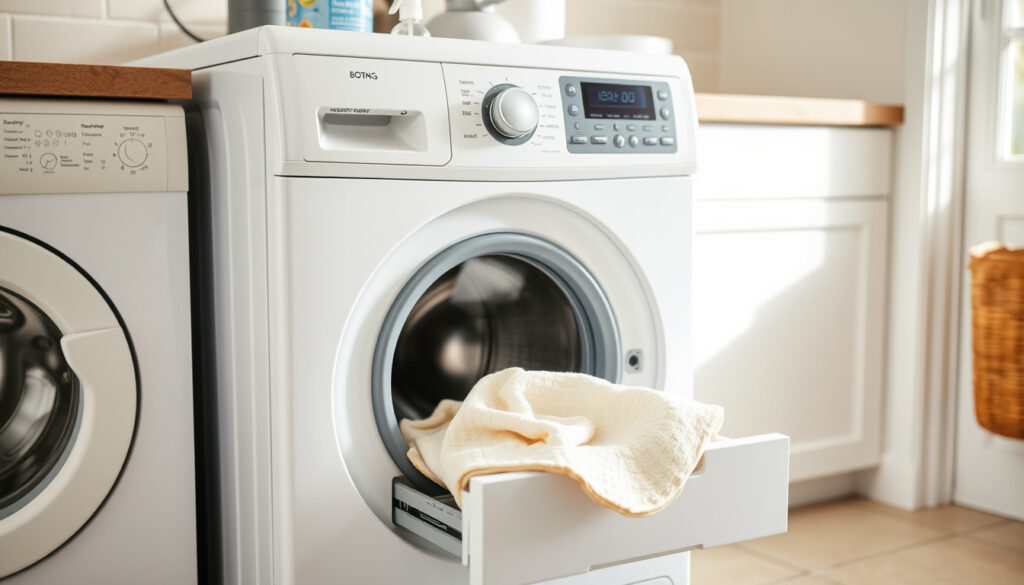
How to Clean Washing Machine – Complete UK Guide with Step-by-Step Methods
A washing machine works hard every week, but it also needs regular cleaning. Detergent residue, fabric softener buildup, hard water scale, and trapped moisture can turn the drum and rubber seal into a breeding ground for bacteria and mould. Left unchecked, these deposits cause odours, reduce cleaning performance, and can shorten the machine’s lifespan. The good news is that a simple routine using household ingredients or a purpose‑made cleaner can keep the appliance fresh and efficient. This guide draws on manufacturer guidance from Beko UK, general UK appliance advice, and user‑tested methods to provide a clear, evidence‑based approach.
The most widely recommended method across UK appliance sources is to run an empty cycle at the hottest temperature with either white vinegar, baking soda, or a dedicated washing machine cleaning agent. After the cycle, the rubber door seal, detergent drawer, and exterior should be wiped dry. Leaving the door slightly open between washes allows moisture to escape and prevents mould from forming.
How to clean washing machine with vinegar and baking soda
Vinegar & Baking Soda
Baking Soda Only
Dishwasher Tablet
Commercial Cleaner
Every 1–3 months
Every 1–3 months
Only when needed
Per product label
Easy
Easy
Easy (but risky)
Easy
Odour removal & mild cleaning
Stain & odour removal
Quick deep clean
Targeted descaling & disinfection
Key insights from the evidence
- Vinegar and baking soda react chemically, creating fizzing action, but when used together in the same cycle they neutralise each other, reducing cleaning effectiveness. The stronger approach is to use one ingredient per empty hot wash.
- Heat is the most important factor: the hottest cycle kills bacteria and dissolves residue better than any household cleaner alone.
- Dishwasher tablets can be effective for a short‑term clean, but their harsh chemicals may damage rubber seals over time – no manufacturer officially recommends this method.
- Brand‑specific machines such as Beko and Hotpoint often include a self‑cleaning drum cycle – checking the manual first is advisable.
- Rubber seal cleaning is the most neglected area; regular wiping prevents black mould and odours that can transfer to laundry.
- In UK hard‑water areas, limescale builds up faster on the heating element, so descaling with distilled vinegar becomes more important.
Snapshot facts
| Aspect | Detail |
|---|---|
| Ideal cleaning frequency | Every 1–3 months |
| Most popular method | White vinegar & baking soda |
| Highest search volume term | “how to clean a washing machine” (4,400 searches/month) |
| Average time per clean | 30–60 minutes |
| Cost per clean (DIY) | £0.20–£0.50 |
| Typical machine lifespan with regular cleaning | 10–14 years |
How to clean washing machine rubber
The rubber door seal is the part of the machine that stays damp longest. According to a UK appliance advice thread, cleaning the seal involves running an empty hot cycle with 1 cup of baking soda and 1 cup of white vinegar, then leaving the door open afterward to let moisture dry out. Beko UK also recommends checking and wiping the seal monthly.
Step‑by‑step manual cleaning
Pull back the rubber gasket carefully and wipe away any hair, lint, soap scum, or pooled water. A damp microfiber cloth works well; for stubborn spots, use a mild solution of dish soap and water. After cleaning, dry the seal thoroughly with a clean cloth and leave the door ajar so air can circulate.
Black mould on the rubber seal is often caused by trapped moisture. Wiping the seal dry after every wash and leaving the door open for at least an hour can significantly reduce mould growth. If mould has already formed, a paste of baking soda and water applied with a soft brush can help remove it without damaging the rubber.
How to clean washing machine dishwasher tablet
Using a dishwasher tablet in a washing machine is a method popularised by online videos. One cleaning walkthrough video shows placing a tablet in the drum and running the hottest, longest cycle, then manually wiping the seal and door. However, this approach is user‑generated, not endorsed by any appliance manufacturer.
Risks and caveats
Dishwasher tablets contain enzymes, bleach, and harsh detergents formulated for dishwashers – not for washing machines. The chemicals can degrade rubber seals and plastic components over time. If you choose this method, the safest part is still the hot empty cycle and the manual wipe‑down afterward. For a low‑risk alternative, stick to vinegar, baking soda, or a purpose‑made washing machine cleaner.
No manufacturer in the provided sources recommends dishwasher tablets. The strongest evidence supports using one cleaner at a time in an empty hot cycle. Combining vinegar and baking soda in the same wash reduces cleaning power because they react with each other.
How to clean washing machine Beko
Beko UK provides clear, brand‑specific guidance. The Beko UK guide on how to clean a washing machine advises adding a cup of white vinegar to an empty cycle and running it on the hottest setting to kill bacteria and remove odours. Alternatively, a cup of baking soda crystals can be used for stain and odour removal. Beko also recommends a dedicated washing machine cleaning agent placed in the detergent drawer for a high‑temperature programme without laundry. For the rubber seal, Beko says to clean it every month and wipe the exterior with mild dish soap and water after unplugging the machine.
If your Beko machine has a self‑cleaning drum cycle, use it monthly as an alternative to manual cleaning. Always check the user manual first – some Beko models have specific programme settings for maintenance washes.
How to clean washing machine Hotpoint
No official Hotpoint cleaning guide was included in the available research. The safest evidence‑based approach for a Hotpoint washer is to follow the same general process recommended by other UK manufacturers: run an empty hot wash with either white vinegar or baking soda, then manually clean the rubber seal, detergent drawer, and drum. After every wash, leave the door slightly open to allow moisture to evaporate.
How to clean washing machine UK
UK households often face harder water than many other regions, which accelerates limescale buildup on heating elements. Distilled vinegar is frequently recommended for descaling because it dissolves mineral deposits without harsh chemicals. In areas with very hard water, a commercial descaling product may be needed every three to six months. Regardless of location, the core routine – hot empty cycle, seal wipe, and door left open – remains the same.
How often should you clean your washing machine?
Based on the timeline plan from the research, here is a recommended annual schedule:
- Month 1 – Initial deep clean (vinegar or baking soda empty hot cycle)
- Month 2 – Check and wipe rubber seal and detergent drawer
- Month 3 – Descaling if you live in a hard‑water area
- Month 4 – In‑service clean with baking soda
- Month 6 – Full clean (any method of choice)
- Month 9 – Check and clean the drain filter (if accessible)
- Month 12 – Annual deep clean plus assessment of rubber seal condition
Which cleaning method is most effective?
| Method | What is established | What remains uncertain |
|---|---|---|
| Dishwasher tablet | High short‑term cleaning effectiveness | Long‑term damage to rubber seals is not proven but warned against by manufacturers |
| Vinegar & baking soda (used separately) | High for odour removal and mild cleaning | Low effectiveness for heavy mould or limescale buildup without heat |
| Commercial cleaner | High – designed for purpose, safe for seals when used as directed | Cost and chemical exposure concerns; some contain bleach that may discolour seals |
Why does a washing machine need regular cleaning?
Detergent and fabric softener residue build up inside the drum, hoses, and seals, creating a biofilm that traps bacteria. Hard water deposits limescale on the heating element, making the machine work harder and use more energy. Rubber seals are porous and hold moisture, which encourages black mould – a common cause of musty‑smelling laundry. Regular cleaning removes these accumulations, improves washing performance, and can extend the machine’s life to 10–14 years.
What do appliance experts recommend?
“Run an empty hot cycle with 1 cup of white vinegar to remove odours and residue.”
– LG UK official guide
“Unplug the appliance before cleaning the control panel to avoid electrical damage.”
– Dettol expert advice
“Set the machine to the highest temperature and add two cups of white vinegar.”
– Currys Tech Talk
These quotes align with the general consensus: heat plus vinegar is a reliable starting point. For more details, see the LG Official Washing Machine Cleaning Guide, Dettol Deep Clean Guide, and Currys Tech Talk – Washing Machine Cleaning.
The best low‑risk cleaning routine for your machine
Based on the available evidence, the safest and most effective routine is: run an empty hottest cycle every few weeks or when odours appear, using either 1 cup of white vinegar or 1 cup of baking soda. After the cycle, wipe the drum, rubber seal, detergent drawer, and door dry. After every wash, leave the door slightly open so moisture can escape. Monthly, inspect and wipe the rubber seal. For hard‑water areas, add a descaling step every three months. This routine is suitable for Beko, Hotpoint, and most front‑loading machines. For further reading, see the Beko UK guide on how to clean a washing machine and How to clean the rubber door seal on a washing machine.
How long does a washing machine clean cycle take?
A typical empty hot cycle runs between 30 and 60 minutes, depending on the programme selected.
Can I use bleach to clean my washing machine?
Bleach can be effective but may damage rubber seals over time. Vinegar or baking soda are gentler alternatives.
Do I need to clean the detergent drawer?
Yes – remove the drawer, soak it in warm soapy water, and scrub away any residue. This should be done monthly.
Will a washing machine cleaner remove limescale?
Some commercial cleaners contain descaling agents. For heavy limescale, use a dedicated descaler or distilled vinegar.
Is it safe to use vinegar in a washing machine every week?
Frequent use of vinegar (more than once a month) may gradually degrade rubber seals. Stick to monthly or quarterly use.
What should I do if my washing machine still smells after cleaning?
Check the drain filter for blockages, clean the detergent drawer thoroughly, and ensure the door is left open after each use. If odours persist, the rubber seal may need replacement.
Can I clean a top‑loader the same way?
The same principles apply: run an empty hot cycle with vinegar or baking soda, and clean the lint filter and lid seal manually.
How do I clean the drain filter on a washing machine?
Locate the filter (usually behind a small access panel at the bottom front), place a towel beneath, unscrew, and remove any debris. Do this every three to six months.
More related posts
 IPL Points Table 2025 – Final Standings and Playoff Teams
 We t Ham Late t New – Relegation Confirmed, Manager Future
 Eid Ul Fitr 2026 – Expected Dates, Significance and Celebrations
 Finn Wolfhard – Age, Height, Net Worth and Movies in 2025
 Owen Painter – Complete Biography, Wednesday Role and Facts
 Jason Momoa – Height, Net Worth, Movies and Personal Life
 FC Barcelona vs RCD Mallorca Lineups – Latest Predictions
 Divorce Solicitors Near Me – Fixed Fees, Legal Aid and Free Consults
