Pinched Nerve in Neck – Symptoms, Causes and Treatments
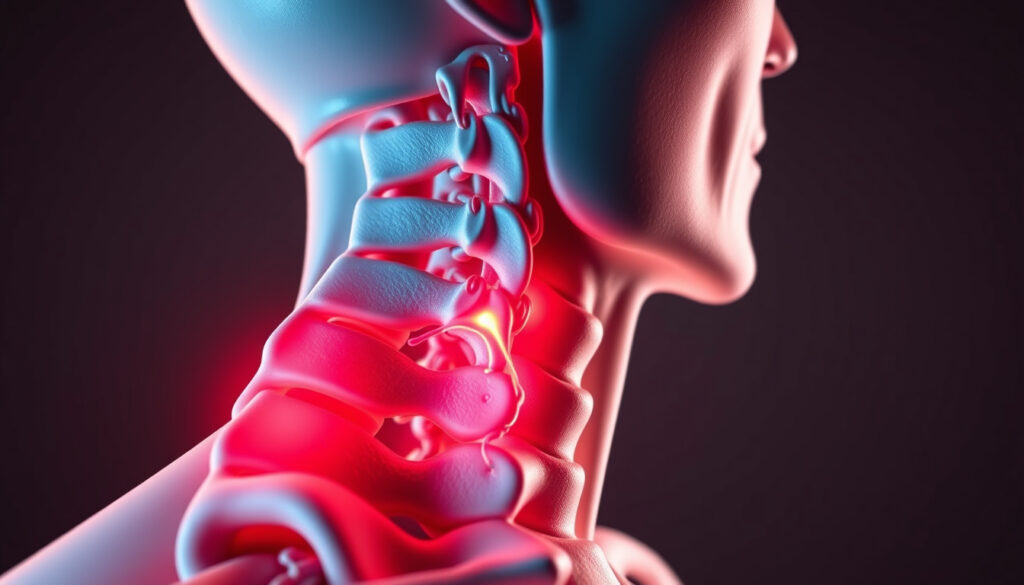
A pinched nerve in the neck, clinically known as cervical radiculopathy, develops when nerve roots in the cervical spine become compressed. This compression often results from excessive load on the lower cervical spine, poor posture, or structural changes in the spine. The condition can cause significant discomfort, radiating pain, and neurological symptoms that affect daily activities. Understanding the symptoms, causes, and treatment options is essential for anyone experiencing neck-related nerve pain.
Cervical radiculopathy is a relatively common condition, particularly among adults over 50 years of age. The pain and symptoms typically arise when nerve pathways between the spine and upper extremities become irritated or compressed. While many cases respond well to conservative treatment methods, recognizing when professional medical intervention is necessary remains crucial for preventing long-term complications.
Symptoms of Pinched Nerve in Neck and Shoulder
The symptoms of a pinched nerve in the neck often extend beyond localized neck pain. Individuals typically experience sharp, shooting pains that radiate from the neck into the shoulder and sometimes down the arm. This pain may intensify during certain neck movements or when holding the head in one position for extended periods.
Nerve compression in the cervical spine that affects nerve root function
Pain, numbness, tingling, and weakness radiating to arm and shoulder
Herniated discs, bone spurs, poor posture, and spinal degeneration
Rest, physical therapy, medications; surgery reserved for severe cases
Key Insights
- Most pinched nerves resolve within weeks to months with appropriate conservative care
- The condition is most prevalent in adults aged 50 and older
- Nerve roots C5 through C8 are most commonly affected
- Symptoms can mimic other conditions, making professional diagnosis important
- Early intervention typically leads to better outcomes
- Self-diagnosis carries risks when neurological symptoms are present
Snapshot Facts
| Aspect | Details |
|---|---|
| Medical Term | Cervical radiculopathy |
| Affected Nerves | C5, C6, C7, C8 nerve roots |
| Typical Duration | Weeks to several months |
| Peak Age Group | Adults over 50 years |
| Surgery Requirement | Rare; less than 10% of cases |
| Recovery Rate | High with conservative treatment |
Neurological Symptoms to Watch For
Beyond pain, a pinched nerve in the neck may produce sensory changes that travel along the path of the affected nerve. Numbness and tingling sensations often extend into the shoulder, arm, and sometimes down to the fingers. Muscle weakness may develop in severe cases, particularly in the biceps, triceps, or hand muscles. These symptoms occur because the compressed nerve cannot properly transmit signals between the spinal cord and the affected muscles.
Typical Timeline for Recovery
The recovery period for a pinched nerve varies considerably depending on the severity of compression and the chosen treatment approach. Most individuals experience noticeable improvement within the first two to three weeks of conservative treatment. Complete resolution of symptoms typically occurs within three to six months for the majority of patients. Those who require surgical intervention may face a longer recovery trajectory, often spanning several months following the procedure.
When to Seek Medical Clarity
While many cases of cervical radiculopathy respond well to rest and physical therapy, certain symptoms warrant prompt professional evaluation. Progressive weakness in the arm or hand, severe pain that does not improve with conservative measures, or difficulty with coordination should all prompt a visit to a healthcare provider. Additionally, if symptoms result from a traumatic injury such as a fall or vehicle collision, medical assessment becomes essential to rule out more serious underlying conditions.
Diagnostic Analysis
Healthcare providers typically diagnose a pinched nerve in the neck through a combination of physical examination and imaging studies. During the physical exam, doctors assess reflexes, muscle strength, and sensation in the affected arm and hand. Imaging studies such as magnetic resonance imaging or computed tomography scans provide detailed views of the cervical spine, revealing disc herniations, bone spurs, or other structural abnormalities that may be pressing on nerve roots. Nerve conduction studies may also be ordered in certain cases to evaluate how well electrical signals travel through the affected nerves.
Treatment Approaches
Conservative treatment remains the first-line approach for most cases of cervical radiculopathy. Physical therapy plays a central role, focusing on exercises that improve neck mobility, strengthen supporting muscles, and reduce pressure on the affected nerve. Non-steroidal anti-inflammatory medications help manage pain and inflammation, while corticosteroid injections may be recommended for more severe symptoms that do not respond to oral medications alone. Surgical intervention becomes necessary only in cases where conservative treatment fails to provide relief after several months or when significant neurological deficits are present.
Lifestyle Considerations
Managing a pinched nerve in the neck often requires attention to daily habits and ergonomics. Maintaining proper posture while sitting at a desk or using electronic devices helps reduce strain on the cervical spine. Regular breaks to stretch and move the neck throughout the day can prevent symptoms from worsening. Ergonomic adjustments to workstations, including monitor height and chair support, contribute to long-term neck health. Sleep position also matters, as sleeping with the neck in an awkward position can aggravate nerve compression.
Understanding Nerve Root Compression
The cervical spine consists of seven vertebrae separated by intervertebral discs that cushion the bones and allow for movement. When these discs deteriorate or shift, they can press against the nerve roots that branch off from the spinal cord. This compression disrupts the normal transmission of nerve signals, resulting in the characteristic pain, numbness, and weakness that patients experience. Age-related changes, repetitive stress, and sudden injuries all contribute to the development of this condition.
Frequently Asked Questions
What does a pinched nerve in the neck feel like?
A pinched nerve in the neck typically causes sharp or burning pain that radiates from the neck down into the shoulder, arm, and sometimes into the hand. Numbness, tingling, and muscle weakness may accompany the pain, particularly when looking down or turning the head.
How long does it take for a pinched nerve in the neck to heal?
Most people recover from a pinched nerve in the neck within several weeks to a few months with appropriate conservative treatment. Severe cases or those requiring surgery may take longer to resolve, potentially several months beyond the initial treatment period.
Can a pinched nerve in the neck heal on its own?
Mild cases of cervical radiculopathy often improve with rest and avoiding activities that aggravate symptoms. However, professional guidance is recommended to ensure proper healing and to prevent recurrence or worsening of the condition.
What activities should be avoided with a pinched nerve in the neck?
Activities that involve heavy lifting, repetitive neck movements, or prolonged periods of looking down should be avoided. High-impact exercises, contact sports, and activities that require twisting the neck may also worsen symptoms and should be temporarily discontinued.
When is surgery necessary for a pinched nerve in the neck?
Surgery is generally considered when conservative treatments fail to provide relief after 6 to 12 weeks, or when progressive weakness, severe pain, or neurological deficits are present. The specific surgical approach depends on the underlying cause of nerve compression.
More related posts
 Thorness Bay Holiday Park – Complete Location Guide
 Liver King – The Rise and Fall of a Fitness Influencer
 Cheryl Baker – Biography, Age, and Bucks Fizz Career in 2025
 Neville Chamberlain – The Story of Appeasement and His Complex Legacy
 Best Travel Credit Cards No Fees – Top UK Picks for 2025
 Can I Run It – Complete Guide to PC Gaming Compatibility
 East Midlands Airport Arrivals – Live Tracker and Status
 Angel Dust – All Meanings Explained in One Guide
