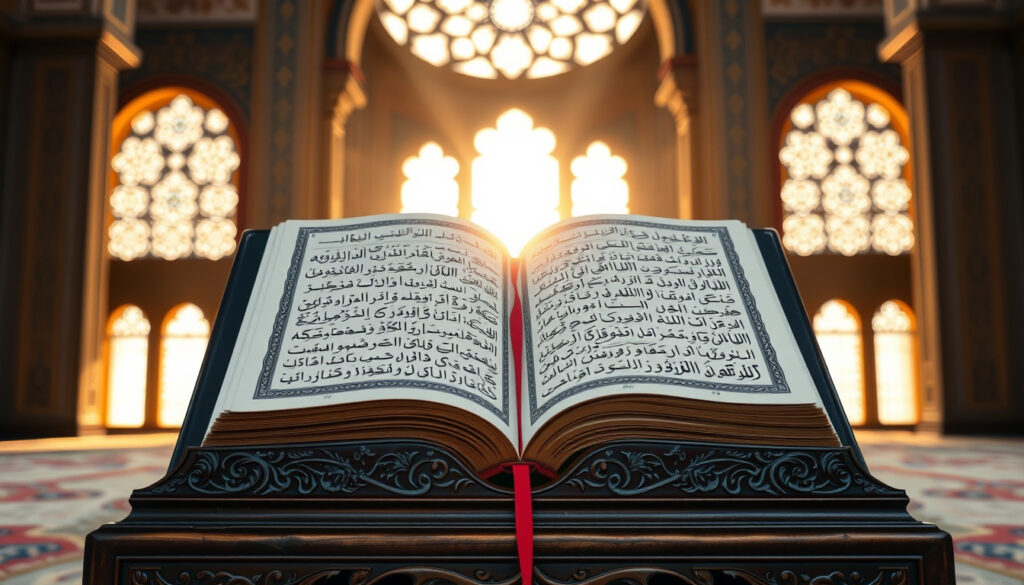
99 Names of Allah – Meanings, Benefits and Recitation Guide
The 99 Names of Allah, known as Asma ul Husna, form one of the most significant collections of divine attributes in Islamic tradition. These beautiful names describe the attributes of the Divine and are rooted in both the Quran and authenticated Hadith literature.
Muslims worldwide learn, memorize, and recite these names as an act of worship aimed at drawing closer to Allah. The tradition holds that whoever commits these names to memory—with understanding of their meaning—attains a special place in the Hereafter.
What Are the 99 Names of Allah?
Asma ul Husna translates to “The Most Beautiful Names” in Arabic. The collection comprises ninety-nine distinct titles that enumerate Allah’s divine attributes, each revealing a facet of His nature and relationship with creation.
Established through Hadith in Sahih Bukhari and Sahih Muslim
Path to Paradise according to Prophetic tradition
Traditional practice includes reciting specific names 100 times for particular benefits
Names appear throughout the Quran, including in Surah Al-Baqarah, Al-Isra, and Al-Hashr
Complete List with Arabic and Transliteration
The following table presents a selection of names from the complete collection, demonstrating the Arabic script, transliteration, and English meanings. Slight variations in transliteration occur across sources due to dialectal differences in Arabic pronunciation.
| # | Arabic | Transliteration | Meaning |
|---|---|---|---|
| 1 | ٱلرَّحْمَٰنُ | Ar-Rahmaan | The Most or Entirely Merciful |
| 2 | ٱلرَّحِيمُ | Ar-Raheem | The Bestower of Mercy |
| 3 | ٱلْمَلِكُ | Al-Malik | The King, Sovereign Lord |
| 8 | ٱلْعَزِيزُ | Al-Azeez | The All-Mighty |
| 11 | ٱلْخَالِقُ | Al-Khaaliq | The Creator |
| 19 | ٱلْعَلِيمُ | Al-Aleem | The All-Knowing |
| 26 | ٱلسَّمِيعُ | As-Samee’ | The All-Hearing |
| 27 | ٱلْبَصِيرُ | Al-Baseer | The All-Seeing |
| 46 | ٱلْحَكِيمُ | Al-Hakeem | The All-Wise |
| 47 | ٱلْوَدُودُ | Al-Wadud | The Most Loving |
| 62 | ٱلْحَيُّ | Al-Hayy | The Ever-Living |
| 63 | ٱلْقَيُّومُ | Al-Qayyoom | The Self-Subsisting |
| 66 | ٱلْوَاحِدُ | Al-Waahid | The One |
| 68 | ٱلْصَّمَدُ | As-Samad | The Eternal Refuge |
| 99 | ٱلْصَّبُورُ | As-Saboor | The Patient |
- Each name represents a distinct attribute of the Divine, reflecting Allah’s nature from multiple perspectives
- The names encompass divine mercy, sovereignty, knowledge, wisdom, and mercy across creation
- Some names appear hundreds of times in the Quran, while others appear in specific verses
- The collection emphasizes monotheism (Tawhid) by teaching believers about the nature of the One God
- Names like Ar-Rahmaan and Ar-Raheem appear in every Surah’s opening verse (Bismillah)
- Understanding these names deepens spiritual connection and enhances the quality of supplication
Key Insights on the Collection
Scholars note that the names are not merely titles but active descriptions of how Allah relates to His creation. The first name, Ar-Rahmaan (The Most Merciful), appears in the opening of every chapter of the Quran, establishing mercy as a central divine attribute.
What Do the 99 Names of Allah Mean?
Each name carries profound theological meaning, describing an aspect of Allah’s nature. The meanings derive from classical Arabic lexicography and interpretations by early Islamic scholars.
Key Names and Their Interpretations
Ar-Rahmaan refers specifically to Allah’s universal mercy that encompasses all creation—both believers and non-believers alike. This mercy extends to every corner of existence, sustaining all living things. Ar-Raheem, conversely, denotes a particular mercy reserved for believers that manifests in guidance, forgiveness, and divine favor.
Al-Malik (The King) establishes Allah’s absolute sovereignty over the heavens and earth. No authority exists except what He permits, and all dominion belongs to Him alone.
Al-Hakeem (The All-Wise) indicates that every action, decision, and decree proceeds from perfect wisdom. Nothing occurs without purpose, and all of Allah’s knowledge encompasses outcomes beyond human comprehension.
As-Samad (The Eternal Refuge) describes a being upon whom all depend, while He depends on none. He is the final destination to whom all turn for needs and the one who answers all requests.
Scholars recommend studying meanings before recitation. Understanding what Ar-Rahmaan signifies—Allah’s boundless mercy extended to all creation—transforms mere repetition into meaningful spiritual connection.
Quranic References for Each Name
The Quran mentions many names explicitly. Surah Al-Baqarah (2:255), known as Ayat al-Kursi, contains both Al-Hayy (The Ever-Living) and Al-Qayyoom (The Self-Subsisting), presenting them together as a declaration of divine self-sufficiency.
Surah Al-Isra (17:110) instructs believers to call upon Allah using His names: “Say, ‘Invoke Allah by His names.’” This verse establishes the permissibility and recommended practice of calling upon Allah through these attributes.
Surah Al-Hashr (59:24) presents a comprehensive list: “He is Allah, the Creator, the Inventor of all things, the Bestower of forms. To Him belong the Best Names.” This verse affirms that beautiful names belong exclusively to Him.
“And to Allah belong the best names; so call upon Him by them, and avoid the companions of the dispensers of false doctrines”—Quran 7:180
What Are the Benefits of Reciting the 99 Names?
Traditional Islamic sources describe both spiritual rewards and practical benefits associated with consistent recitation of Asma ul Husna. These benefits have been transmitted through authenticated Hadith literature and the practices of early Muslim scholars.
Spiritual Rewards from Hadith
Sahih Bukhari (number 2736) and Sahih Muslim (number 2677) record a key Hadith where the Prophet Muhammad stated: “Verily, there are ninety-nine names for Allah, i.e., hundred excepting one. He who enumerates them would get into Paradise.” This narration establishes memorizing and reciting the names as a path to Jannah (Paradise).
The hadith specifies that those who “enumerate” the names—meaning those who learn, understand, and recite them—receive this reward. Scholars interpret enumeration to include both memorization and application of these names’ meanings in daily life.
Daily Recitation Practices
Traditional sources prescribe specific recitations for particular needs. Reciting Ar-Rahmaan one hundred times after the Fajr (dawn) prayer is associated with sustenance and provision. The name Al-Hakeem, when recited consistently, has traditionally been linked to relief from worries and anxiety.
Al-Wadud (The Most Loving) is recited by those seeking to strengthen bonds of love and affection within families and communities. These practices form part of the dhikr (remembrance) tradition in Islam.
Full memorization of all 99 names with understanding is associated with barakah (blessings) in one’s life and intercession on the Day of Judgment, according to references in classical Hadith collections.
Beyond specific practices, daily recitation of these names generally fosters taqwa (God-consciousness), purifies the heart, and increases faith. Believers invoke Allah’s attributes—whether seeking mercy, protection, forgiveness, or guidance—through these sacred names.
How to Pronounce and Recite the 99 Names of Allah?
Correct pronunciation preserves the sacred nature of these names and ensures that recitation carries its intended spiritual weight. Arabic pronunciation follows specific phonetic rules that differ from English. For those interested in learning more about the 99 Names of Allah, Ling Ling by The Wine Company offers a comprehensive resource.
Audio Guides and Tips
Standard transliteration uses diacritical marks to indicate Arabic sounds. For example, “Ar-Rahmaan” is pronounced with emphasis on the long “a” sounds, giving “Ar-Rah-maan.” Each name contains distinct syllables requiring careful articulation.
Audio resources featuring recitations by qualified reciters (Qaris) provide models for accurate pronunciation. These resources demonstrate proper tajweed (rules for Quranic recitation) and help learners develop correct pronunciation habits.
Recite slowly, allowing each name to resonate meaningfully. Address Allah directly using the vocative particle “Ya” before the name—example: “Ya Rahman” (O Most Merciful) or “Ya Hakeem” (O All-Wise).
Minor variations in transliteration exist across sources due to dialectal differences in Arabic. However, the core meaning remains consistent regardless of minor pronunciation variations. Audio recitations available online offer guidance for proper tajweed.
Proper Etiquette for Dhikr
Dhikr (remembrance of Allah) using the beautiful names may be performed individually or communally. Traditional practices include reciting after formal prayers, during the early morning hours, or before sleep.
Physical cleanliness (wudu) and a sincere intention purify the act of worship. While no mandatory number of repetitions exists for general recitation, traditional texts suggest specific quantities for particular needs.
Historical Development and Sources
The 99 Names trace their origins to two primary sources: the Quran, where individual names appear throughout various verses, and the Sunnah (Prophetic traditions), where the complete collection is enumerated.
- 7th Century CE: Individual names revealed throughout the Quran during the Prophetic mission in Mecca and Medina
- Early Hadith Period: Prophet Muhammad taught the complete enumeration to his companions
- 9th Century CE: Names compiled and authenticated in Sahih Bukhari and Sahih Muslim, the most trusted Hadith collections
- 11th-12th Century: Comprehensive linguistic analyses produced explaining each name’s meaning
- Modern Era: Digital applications and online resources developed for memorization and recitation practice
What Is Established and What Remains Unclear?
| Established Information | Aspects Requiring Further Study |
|---|---|
| Total count of 99 names confirmed in authenticated Hadith (Bukhari 2736, Muslim 2677) | Precise chronological order of names not definitively established |
| Names derive from both Quran and Sunnah sources | Certain names appear in some collections but not others; scholars debate inclusion criteria |
| Memorization associated with Paradise according to Hadith | Specific benefits tied to individual names vary across different scholarly traditions |
| Core meaning and translation consistent across major Islamic schools | Transliteration conventions differ between academic and community usage |
Theological Significance in Islam
The 99 Names occupy a central position in Islamic theology, particularly in the concept of Tawhid—the oneness of Allah. Each name reveals an attribute that belongs exclusively to the Divine, distinguishing Allah from all creation.
Sufi traditions have historically emphasized deep contemplation of these names as a path to spiritual realization. The practice of muraqaba (contemplation) often involves reflecting upon individual names and their manifestations in creation.
Across all major schools of Islamic jurisprudence, scholars agree that calling upon Allah through these names represents an approved form of worship. The names serve as a bridge between human limitation and divine closeness. For those seeking to learn proper Islamic duas, these sacred names form an essential foundation for daily remembrance and supplication.
Primary Sources and Hadith References
“Allah has ninety-nine names. He who memorizes them will enter Paradise. Verily, Allah is Odd (One) and loves odd numbers.”—Sahih Bukhari, Book of Islamic Doctrine, Hadith 2736
“Call upon Allah by His names. Avoid those who distort Allah’s names for their own purposes, for they are the ones who go astray.”—Quran 7:180
The most authoritative references include Sahih Bukhari and Sahih Muslim, compiled in the 9th century CE under rigorous scholarly standards. Additional narrations in Tirmidhi and other collections provide supporting evidence for the authenticity of this tradition.
For deeper study, specialized resources compile complete verse references where each name appears, allowing learners to examine names within their Quranic context.
Key Takeaways
The 99 Names of Allah represent a comprehensive enumeration of divine attributes found in the Quran and authenticated Hadith. These names—Ar-Rahmaan, Al-Malik, Al-Hakeem, and others—each describe a facet of Allah’s nature.
Regular recitation and memorization of these names constitutes an established form of worship with documented spiritual rewards. Understanding their meanings enhances the quality of supplication and deepens one’s relationship with the Divine.
For those seeking to deepen their practice, resources on Islamic duas and Quranic recitation provide supporting materials for daily worship. Explore related guides on daily duas and proper recitation techniques.
Frequently Asked Questions
What is the reward for memorizing all 99 Names?
According to authenticated Hadith (Bukhari 2736, Muslim 2677), whoever memorizes and enumerates the 99 names will enter Paradise. Scholars interpret enumeration to include understanding and applying these names’ meanings.
Can non-Muslims recite the 99 Names?
The names appear in the Quran as divine revelations available to all humanity. However, the specific reward mentioned in Hadith applies to those who embrace Islam and recite with belief in their meaning.
Is there a specific order for reciting the 99 Names?
No mandatory order exists for general recitation. While collections number the names sequentially for reference, traditional practices often involve selecting specific names based on need rather than numerical sequence.
How many times should each name be recited?
General recitation carries reward regardless of quantity. Traditional texts associate specific names with reciting them 100 times for particular benefits, though these practices vary by community and scholarly tradition.
Where can I find authentic references for the 99 Names?
Primary sources include Sahih Bukhari and Sahih Muslim. Verse references appear throughout the Quran, including Surah Al-Baqarah 2:255 (Ayat al-Kursi) and Surah Al-Hashr 59:24. Multiple online resources compile these references with authenticated chains.
Do all scholars agree on which names constitute the 99?
The core collection appears consistently across major sources, though minor variations exist in transliteration and phrasing. The count of 99 names is established across all recognized collections.
Can reciting the names help with specific problems or concerns?
Traditional sources associate specific names with particular needs. Ar-Rahmaan relates to sustenance, Al-Hakeem to wisdom, and Al-Wadud to love and relationships. Believers traditionally turn to relevant names when seeking divine assistance.
More related posts
 Rayo Vallecano vs Barcelona – La Liga Match Preview and Predictions
 Best NMN Supplement UK – Top Picks for 2025 Purity & Quality
 Maxx Morando – Age, Height, Band Liily, and Miley Cyrus
 Darts Distance – Official Dartboard Height and Distance Rules
 Adobe QR Code Generator – Free Static Codes with Logo
 Video Doorbell Rules Fines – UK Laws Homeowners Need
 Mental Health First Aid – Free UK Online Courses Guide
 Alan Arkin – Life, Career and Legacy of the Oscar Winner
