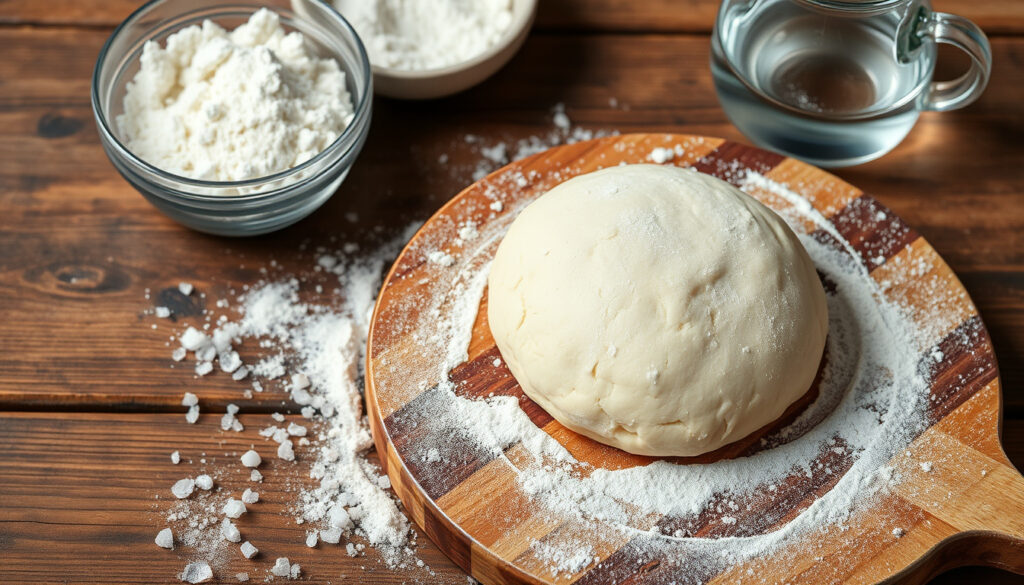
Easy Pizza Dough Recipe – No Yeast, 3 Ingredients
Pizza night doesn’t require hours of waiting or specialised ingredients. A straightforward pizza dough recipe using just three core components—flour, a leavening agent, and a liquid—can be ready in under fifteen minutes. This approach skips yeast entirely, making it ideal for spontaneous dinners or when store cupboards lack bread-making supplies. The result delivers a thin, satisfying crust that works equally well with classic toppings or more adventurous combinations.
Recipes circulating among home cooks demonstrate that plain flour combined with thick Greek yoghurt and baking powder produces bases with a pleasant chew and good structure. UK measurements and plain flour adaptations feature prominently in tested variations, offering an accessible alternative to imported self-raising flour. These techniques suit beginners and experienced bakers alike, providing reliable results without the uncertainty of proving times or yeast viability.
Homemade Pizza Dough Without Yeast
Traditional pizza dough relies on yeast to develop gluten structure through rising time. Yeast-free alternatives achieve similar textures by using chemical leavening and ingredient combinations that create structure quickly. The approach eliminates one of the most common points of failure in home baking: inactive or expired yeast. Several tested recipes confirm this method produces consistent results suitable for weeknight meals.
Key Insights from Tested Recipes
- Full-fat Greek yoghurt yields the best texture; strained or thick yoghurts prevent excess moisture
- UK plain flour requires added baking powder for leavening, unlike self-raising flour
- Brief kneading (1-2 minutes) develops sufficient gluten without extended proving
- Resting the dough for five minutes relaxes gluten for easier rolling
- Rolling thin (⅛-¼ inch) creates the crisp edges many prefer
- Whole wheat flour can substitute up to 25% of the total for a nuttier flavour profile
- Gluten-free plain flour blends work as a direct replacement in most variations
Recipe Variations Comparison
| Variation | Ingredients | Prep Time | Rise Needed | Texture Notes |
|---|---|---|---|---|
| Yoghurt Base (Recommended) | Plain flour, Greek yoghurt, baking powder, salt | 5-15 mins | No | Soft, chewy, high protein |
| Water Base | Plain flour, water, baking powder, salt, olive oil | 15 mins | No | Crispier, more neutral taste |
| Self-Rising Flour Alt. | Self-rising flour, water, olive oil | 10 mins | No | Quick option if flour available |
Easy Pizza Dough Recipe with 3 Ingredients
The minimalist approach uses exactly three core ingredients beyond salt. This simplicity appeals to cooks who want predictable results without measuring numerous components. Variations exist between two and four ingredients depending on whether optional flavour additions are included. The No Yeast Greek Yogurt Pizza Dough demonstrates this straightforward formula works reliably across different flour types and yoghurt brands.
Gathering Your Ingredients
Precise measurements ensure consistent outcomes. Most recipes specify between 280g and 300g of thick plain Greek yoghurt paired with 250g to 300g of flour. Baking powder quantities range from two to three teaspoons, providing the lift that would otherwise come from yeast fermentation. Salt stabilises the structure and enhances overall flavour, typically measured at one teaspoon per batch.
Using digital kitchen scales rather than cup measurements improves accuracy. Flour settles when scooped, so weighing provides more reliable dough consistency.
Self-raising flour eliminates the need for added baking powder, reducing the ingredient count to three. UK shoppers will find supermarket own-brand plain flour works effectively with added raising agent, making this approach budget-friendly and accessible.
Flour Options Explained
Plain flour dominates UK supermarket shelves, meaning most households can proceed without specialist purchases. Adding two teaspoons of baking powder to every two cups of plain flour replicates self-raising flour exactly. All-purpose flour from American sources performs similarly to UK plain flour with the same adjustment.
Whole wheat flour introduces a denser crumb and nuttier flavour. Recipes permitting up to 25% whole wheat substitution maintain structural integrity while adding nutritional benefits. Gluten-free plain flour blends offer a direct swap for those avoiding gluten, though results may vary slightly in elasticity.
Easy Pizza Dough Recipe UK
British home cooks face specific ingredient availability that shapes recipe choices. Supermarket flour lacks the self-raising properties common in American equivalents, necessitating baking powder additions. Temperature conventions also differ, with fan ovens and conventional settings requiring adjustment from American recipe temperatures.
Achieving a Thin Crust
Roll dough aggressively for a thin finish, targeting approximately one-eighth to one-quarter inch thickness. Preheating the baking tray or pizza stone creates an immediate hot surface that crisps the base upon contact. Brushing the edges with olive oil before baking promotes browning and adds flavour complexity.
Fan oven temperatures of 220°C match conventional oven settings of 200°C. Most recipes specify 10-15 minutes baking time regardless of oven type, with visual cues indicating doneness.
The 5-Minute Homemade Pizza Dough recipe provides specific UK measurements including gram weights for those following digital scales. This detail proves valuable when converting between volume measurements and weight-based recipes.
No-Proving Technique
Traditional dough requires hours of rising for gluten development. The yoghurt-based method requires no proving period, with the dough ready to shape immediately after mixing. This proves particularly useful for weeknight dinners when time constrains meal preparation.
Chemical leavening from baking powder activates immediately upon mixing with wet ingredients, providing lift without yeast activity. This reaction completes during baking rather than requiring advance preparation, fundamentally changing the timeline expectations for homemade pizza.
Easy Pizza Dough Recipe with Yoghurt
Yoghurt contributes moisture, tenderness, and slight acidity that aids lifting. The fat content affects final texture, with full-fat varieties producing more yielding crumb structures. Low-fat alternatives work but may yield slightly drier results. Straining yoghurt through cheesecloth removes excess liquid for thicker consistency when needed.
Why Yoghurt Works in Dough
The acidity in yoghurt interacts with baking powder, enhancing gas release for improved rise. Meanwhile, the fat content tenderises gluten strands, preventing the tough chew sometimes experienced in traditional doughs. These complementary effects produce a balanced crust that browns evenly and holds toppings without becoming soggy.
Greek yoghurt specifically provides the thick consistency required for proper dough hydration. Plain natural yoghurt serves as an acceptable substitute, though water content differences may require minor adjustments to flour quantities.
Step-by-Step Method
- Preheat oven to 220°C (fan) or 200°C (conventional). Place baking tray or stone inside to heat.
- Combine dry ingredients: whisk flour, baking powder, and salt in a large bowl until evenly distributed.
- Add yoghurt gradually, stirring until a shaggy dough forms. Knead briefly on a floured surface for one to two minutes until smooth.
- Divide dough into portions for individual bases. Roll each portion thin, targeting one-eighth to one-quarter inch thickness.
- Transfer to oiled or preheated surface. Add toppings as desired, then bake for 10-15 minutes until edges are golden and base is crisp.
The dough tolerates minor variations in rolling thickness and topping density. Overloading with wet ingredients may require additional baking time to ensure base cooked through.
What to Know and What Remains Uncertain
Established Information
- 3-ingredient yoghurt dough produces viable thin crust
- Plain flour requires added baking powder for rise
- No proving time needed with chemical leavening
- Yoghurt acidity enhances lift and tenderises crumb
- High oven temperature (200-220°C) optimal for browning
- Dough best used same day for optimal tenderness
- Whole wheat substitution acceptable up to 25%
Information Less Certain
- Specific brand performance varies based on yoghurt fat content
- Altitude adjustments not addressed in standard recipes
- Long-term storage beyond 24 hours unexplored
- Freezing performance requires personal testing
- Differences between Greek and continental yoghurt beyond fat content
Why This Recipe Approach Works
The no-yeast method addresses several practical barriers to homemade pizza. Yeast requires proofing to verify activity, proper temperature control, and time management—variables that introduce failure points for inexperienced bakers. Removing yeast from the equation simplifies decision-making without sacrificing results.
Yoghurt-based doughs have circulated among home cooks for years, with variations adapted for British kitchens using available ingredients. The technique suits modern cooking patterns where spontaneous meal preparation often replaces planned baking sessions. Weeknight pizza becomes genuinely achievable when dough requires only minutes rather than hours of advance preparation.
What Home Cooks Are Saying
“No rise needed” — describes the immediate usability that defines this approach, allowing pizza preparation from start to finish within half an hour.
Published sources from BBC Good Food and Jamie Oliver confirm that simplified dough methods have earned permanent places in recipe collections. These established voices support the viability of yeast-free approaches while noting their particular suitability for quick weeknight meals.
Beginner-focused resources from Joy Food Sunshine and Sally’s Baking Addiction provide extensive testing notes confirming reproducibility across different kitchen conditions and ingredient brands.
Putting It Together
This straightforward dough serves as a foundation for personalisation rather than a final destination. Classic combinations like tomato sauce with mozzarella remain reliable choices, while bolder toppings such as BBQ chicken or vegetable medleys adapt easily to the thin base format. Scaling quantities allows preparation for larger gatherings without proportional increases in effort.
The method’s simplicity invites experimentation. Trying different yoghurt types, adjusting flour proportions, or adding herbs to the dough itself produces variations worth exploring. The core technique remains constant whether adapting for dietary restrictions or personal preference.
Frequently Asked Questions
Can I use plain flour for pizza dough?
UK plain flour works perfectly when combined with two to three teaspoons of baking powder per two cups of flour. The baking powder substitutes for self-raising properties that would otherwise require different flour types.
How thin can I make pizza crust?
Rolling to one-eighth inch thickness produces a noticeably crispy result, while one-quarter inch offers more substantial chew. Both work well; personal preference determines the ideal thickness for your preferences.
What if I don’t have yoghurt?
Water-based doughs substituting equal liquid volumes provide crispier results. These require slightly longer mixing and benefit from olive oil additions to compensate for yoghurt’s tenderising effect.
Does the dough need to rest before rolling?
A brief five-minute rest after initial kneading relaxes gluten strands, making rolling easier. However, unlike traditional doughs, extended resting or proving is not required for successful results.
Can I make the dough ahead of time?
The dough keeps refrigerated for up to 24 hours, though texture may become slightly denser. Bringing to room temperature before rolling restores workability. Fresh preparation remains optimal for best tenderness.
More related posts
 Kelly Brook – Biography, Age, Height, Husband and Career
 Gold Price in Pakistan – Live 24K, 22K and 21K Rates per Tola
 How to Withhold Number – Hide Caller ID on Any Phone
 Finn Wolfhard – Age, Height, Net Worth and Movies in 2025
 How to Make Jacket Potatoes – Complete Guide for Crispy Skin
 M&S Sparks – Complete Guide to Login, Offers and App 2025
 Best Way to Lose Weight – Safe Sustainable Methods
 Owen Painter – Complete Biography, Wednesday Role and Facts
